
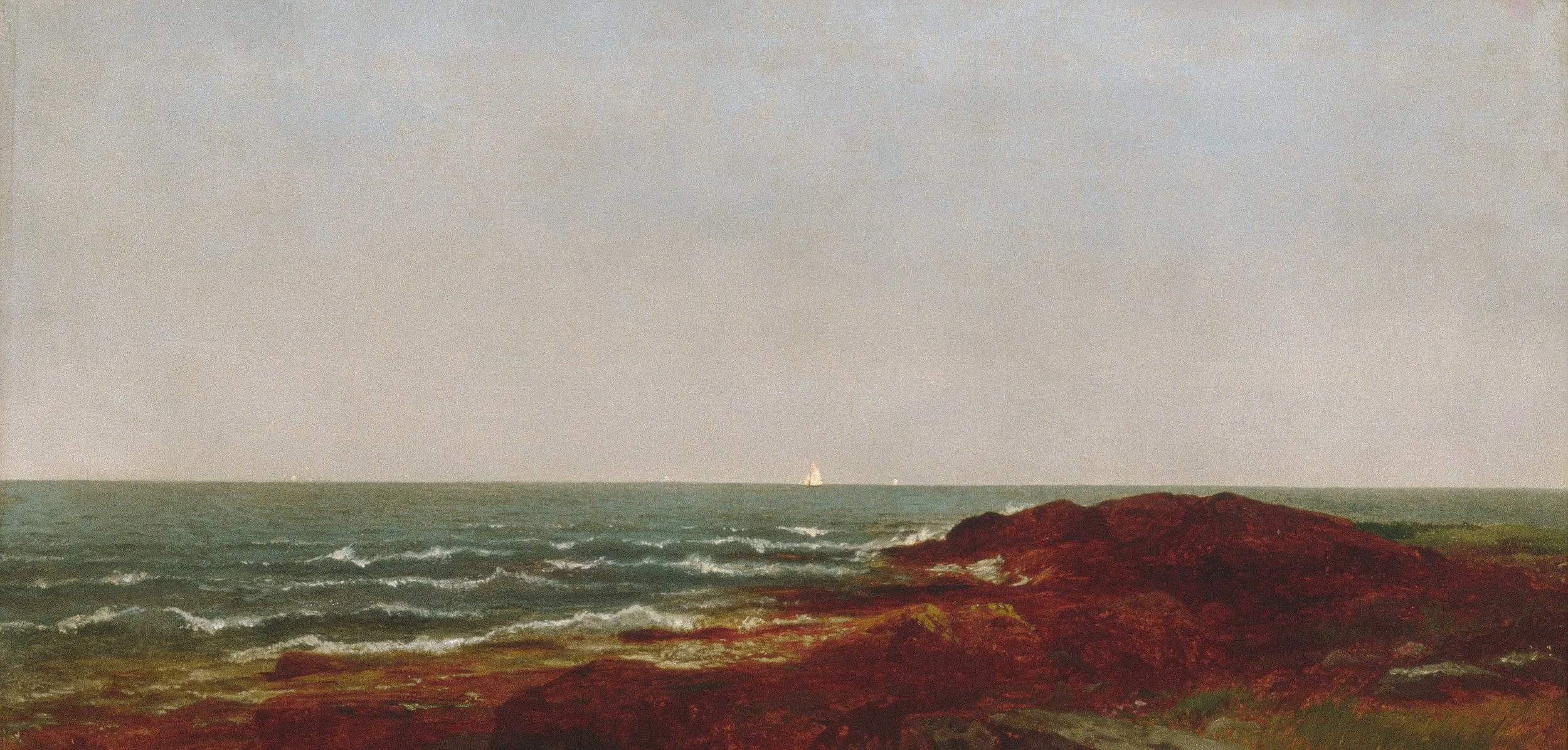
The 15th Annual New York City Poetry Festival
DAY 1 HAS BEEN CANCELLED! PLEASE JOIN US ON
July 19, 2026
Nolan Park, Governors Island
11:00 AM - 6:00 PM
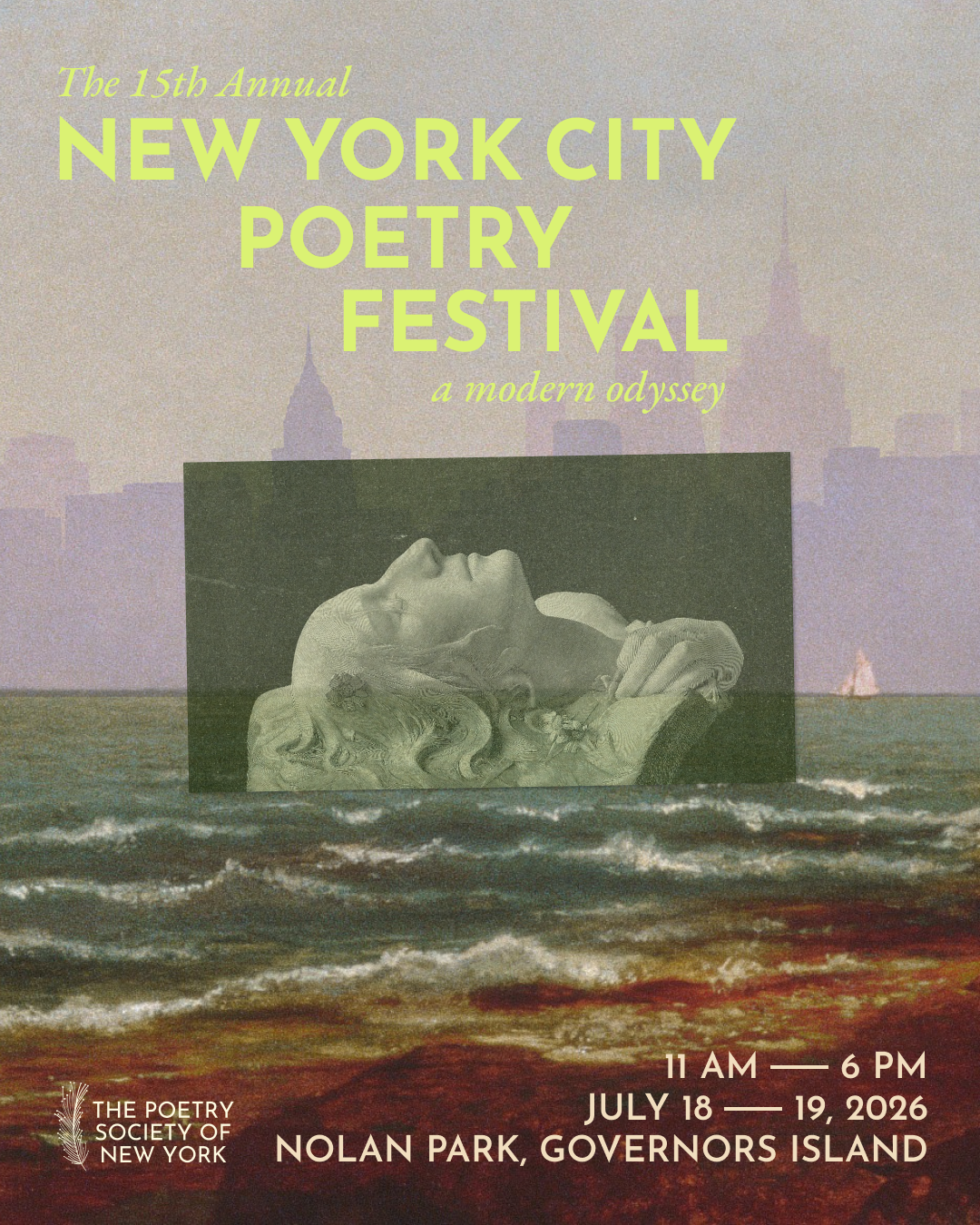
Join us on Saturday, July 18 at 3pm for a virtual reading with Hala Alyan & an open mic with our festival participants
Fully Free to Attend!
Our 2026 Headliners
Scroll on each person’s image to read their bios!
Hanif Abdurraqib
.png)
Hanif Abdurraqib is a poet, essayist, and cultural critic from Columbus, Ohio. His poetry has been published in Muzzle, Vinyl, PEN American, and various other journals. His essays and music criticism have been published in The FADER, Pitchfork, The New Yorker, and The New York Times. His first full length poetry collection, The Crown Ain't Worth Much, was released in June 2016 from Button Poetry. It was named a finalist for the Eric Hoffer Book Prize, and was nominated for a Hurston-Wright Legacy Award. With Big Lucks, he released a limited edition chapbook, Vintage Sadness, in summer 2017 (you cannot get it anymore and he is very sorry.) His first collection of essays, They Can't Kill Us Until They Kill Us, was released in winter 2017 by Two Dollar Radio and was named a book of the year by Buzzfeed, Esquire, NPR, Oprah Magazine, Paste, CBC, The Los Angeles Review, Pitchfork, and The Chicago Tribune, among others. He released Go Ahead In The Rain: Notes To A Tribe Called Quest with University of Texas press in February 2019. The book became a New York Times Bestseller, was a finalist for the Kirkus Prize, and was longlisted for the National Book Award. His second collection of poems, A Fortune For Your Disaster, was released in 2019 by Tin House, and won the 2020 Lenore Marshall Prize. In 2021, he released the book A Little Devil In America with Random House, which was a finalist for the National Book Award, the National Book Critics Circle Award, and the The PEN/Diamonstein-Spielvogel Award for the Art of the Essay. The book won the 2022 Andrew Carnegie Medal for Excellence in Nonfiction and the Gordon Burn Prize. Hanif is a graduate of Beechcroft High School.
Hala Alyan
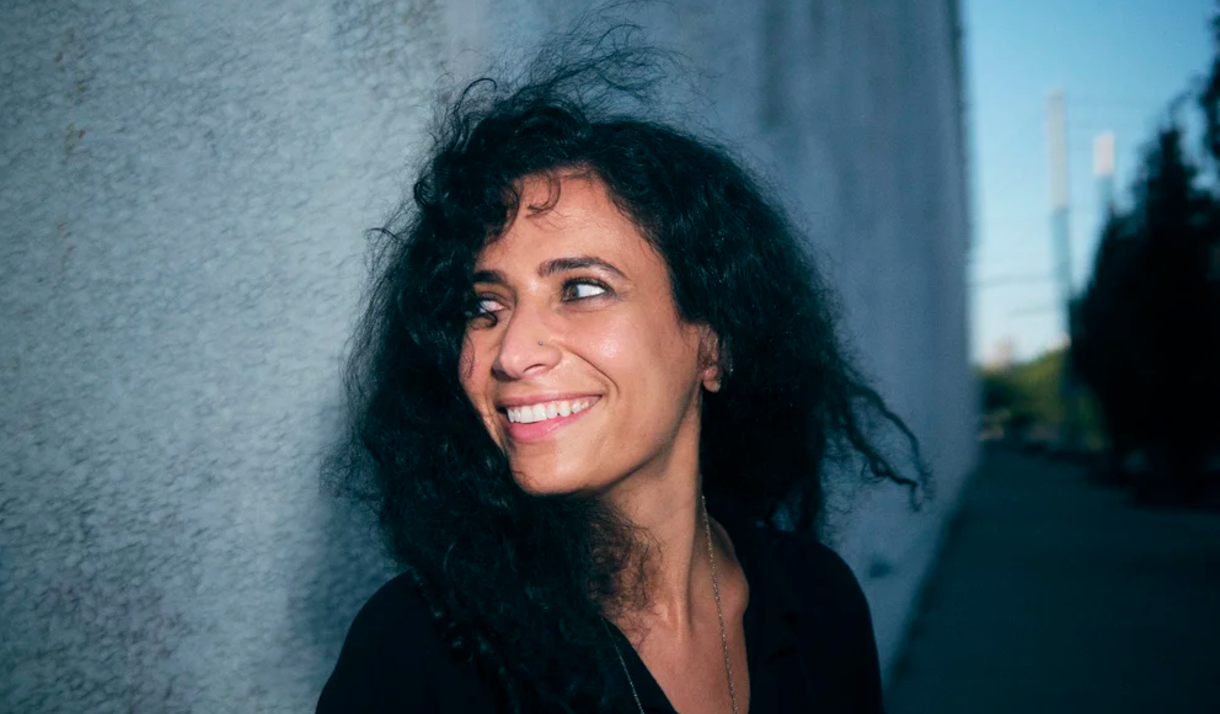
Hala Alyan is the author of the novels Salt Houses — winner of the Dayton Literary Peace Prize and the Arab American Book Award, and a finalist for the Chautauqua Prize — and The Arsonists’ City, a finalist for the Aspen Words Literary Prize. She is also the author of five highly acclaimed collections of poetry, including The Twenty-Ninth Year and The Moon That Turns You Back. Her work has been published by The New Yorker, The Academy of American Poets, The New York Times, The Guardian, and Guernica. Her debut memoir, I’ll Tell You When I’m Home, was recently published by Simon & Schuster. She lives in Brooklyn with her family, where she works as a clinical psychologist and professor at New York University.
Fatimah Asghar
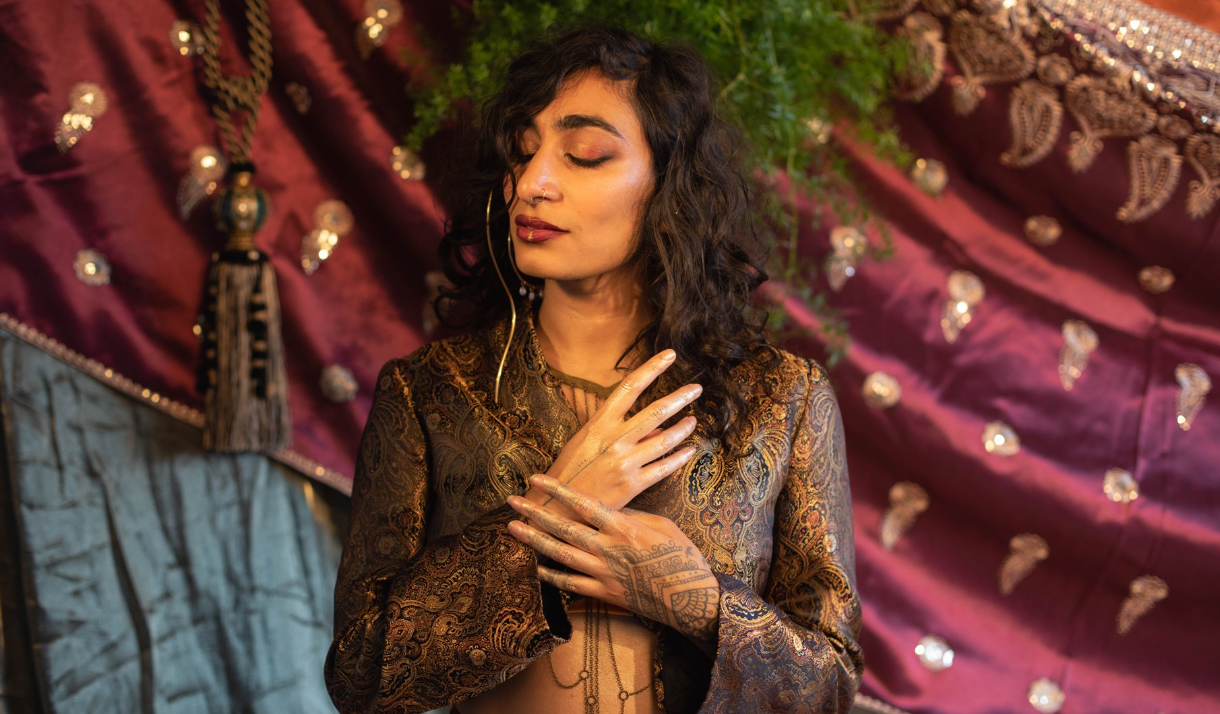
Poet, screenwriter, educator, and performer, Fatimah Asghar is a South-Asian American Muslim writer who cares less about genre and instead prioritizes the story that needs to be told and finds the best vehicle to tell it. They are the author of Daughter of the Mountains, If They Come For Us, When We Were Sisters, and the chapbook After. Asghar is the writer and co-creator of Brown Girls, an Emmy-nominated web series that highlights friendship among women of color. They are a member of the Dark Noise Collective and a Kundiman Fellow. They were longlisted for the National Book Award, Aspen Words Literary Prize, and the Center for Fiction’s First Novel Prize. Winner of the Inaugural Carol Shields Prize for Fiction, Asghar is a recipient of the Ruth Lilly and Dorothy Sargent Rosenberg Poetry Fellowship from the Poetry Foundation, and was listed on Forbes’s 30 under 30 list.
Natalie Diaz
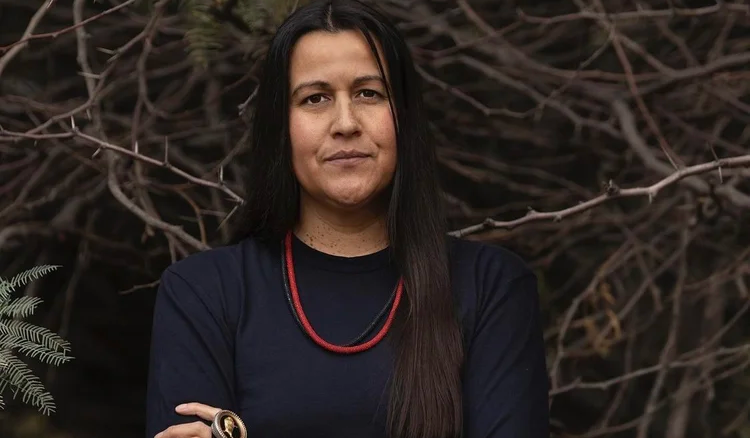
Natalie Diaz was born and raised in the Fort Mojave Indian Village in Needles, California, on the banks of the Colorado River. She is Mojave and an enrolled member of the Gila River Indian Tribe. She is the author of two poetry collections, Post-Colonial Love Poem (Graywolf, 2020), winner of the 2021 Pulitzer Prize, and When My Brother Was an Aztec (Copper Canyon Press 2012). She has received many honors, including a MacArthur Fellowship, a Mellon Fellowship, a USA fellowship, a Lannan Literary Fellowship, a Hodder Fellowship, a PEN/Civitella Ranieri Foundation Residency, a New School Fellowship and a Native Arts and Cultures Foundation Artist Fellowship. She has also been the Rosenkranz Visiting Writer at Yale. Her work has been widely translated, including into Spanish, French, Portuguese, Danish, Swedish, Polish and Slovenian.
In an interview with the Los Angeles Book Review, she was asked how she uses form in her poetry: “Some of it is about space, but it’s also about the language that I’m bringing and how it feels physically in my body, and also how it feels to speak it out in a physical way. We tend to let the page dominate what happens — even the fact that we have this 8.5-by-11-inch page that we tend to write on in our private writing before it makes it to a book. For me, it really is a combination of what is happening visually in a line. I don’t mean necessarily from left to right. I tend to see and sense things in the periphery. I think some of that is because I had played basketball all of my life, even from when I was young, so I learned to not just rely on my eyes for that sense. I think some of it is also having grown up in the desert and a certain kind of precarity where you always want to know what is around you. Sometimes what is around you is more important than what’s in front of you. So form for me is happening in a nonlinear way. When I read a page of poetry or prose, I am reading the line where my eyes are sliding across, but I’m also seeing all the other words happening on the page.”
Diaz earned a BA from Old Dominion University, where she received a full athletic scholarship. Diaz played professional basketball in Europe and Asia before returning to Old Dominion to earn an MFA. She is the Maxine and Jonathan Marshall Chair in Modern and Contemporary Poetry at Arizona State University where she directs ASU’s Center for Imagination in the Borderlands.
“Set up along Colonels’ Row, a lush avenue of former officers’ houses in the historic section of the island, the festival reflects the mission of the Poetry Society: to bring together the divergent strands of the city’s poetry scene under a single banner, at least for one weekend. Accordingly, it will feature poets comfortable on the page and on the stage, in the academy and on the street corner.”
What is the New York City Poetry Festival?
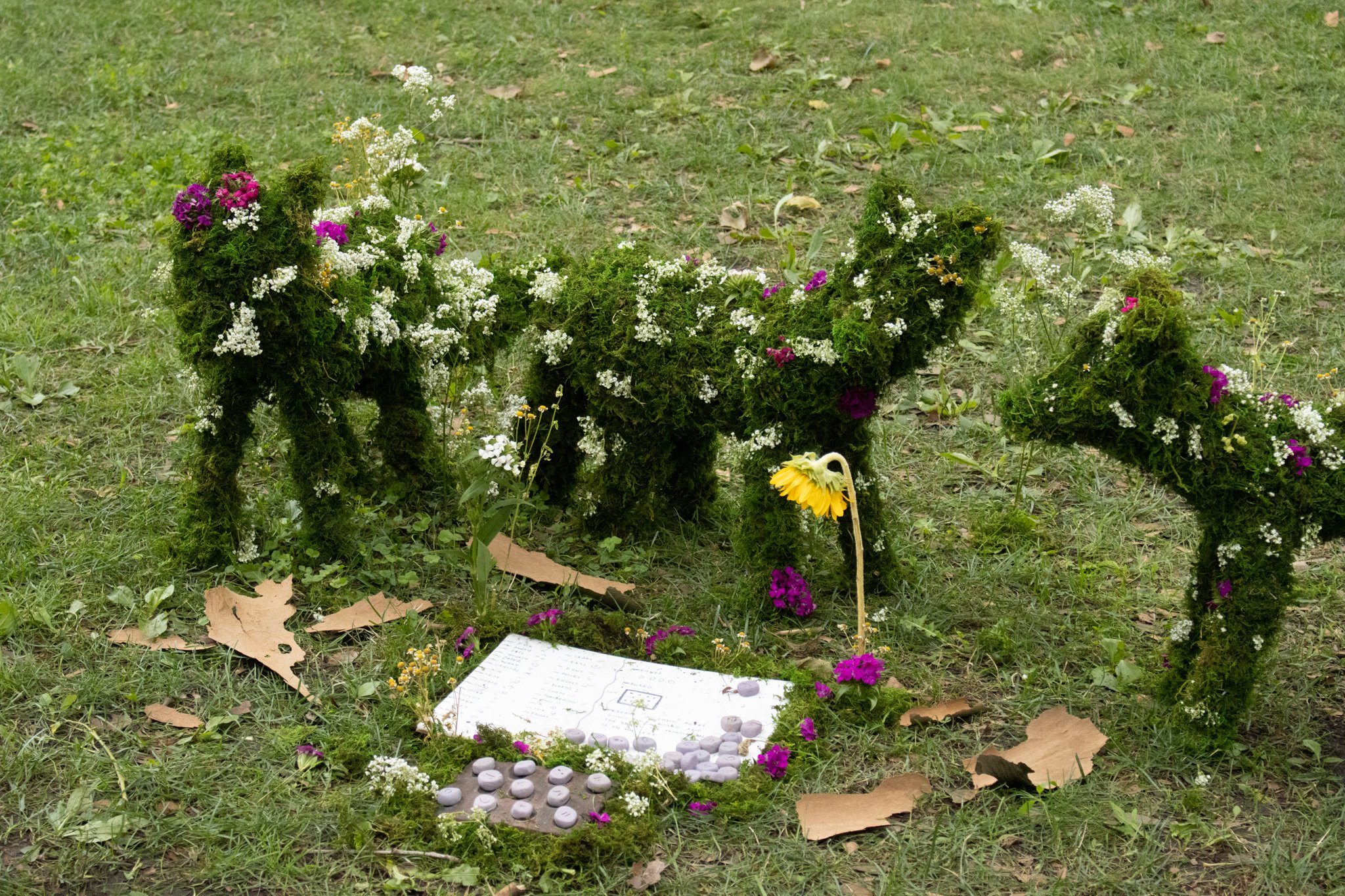
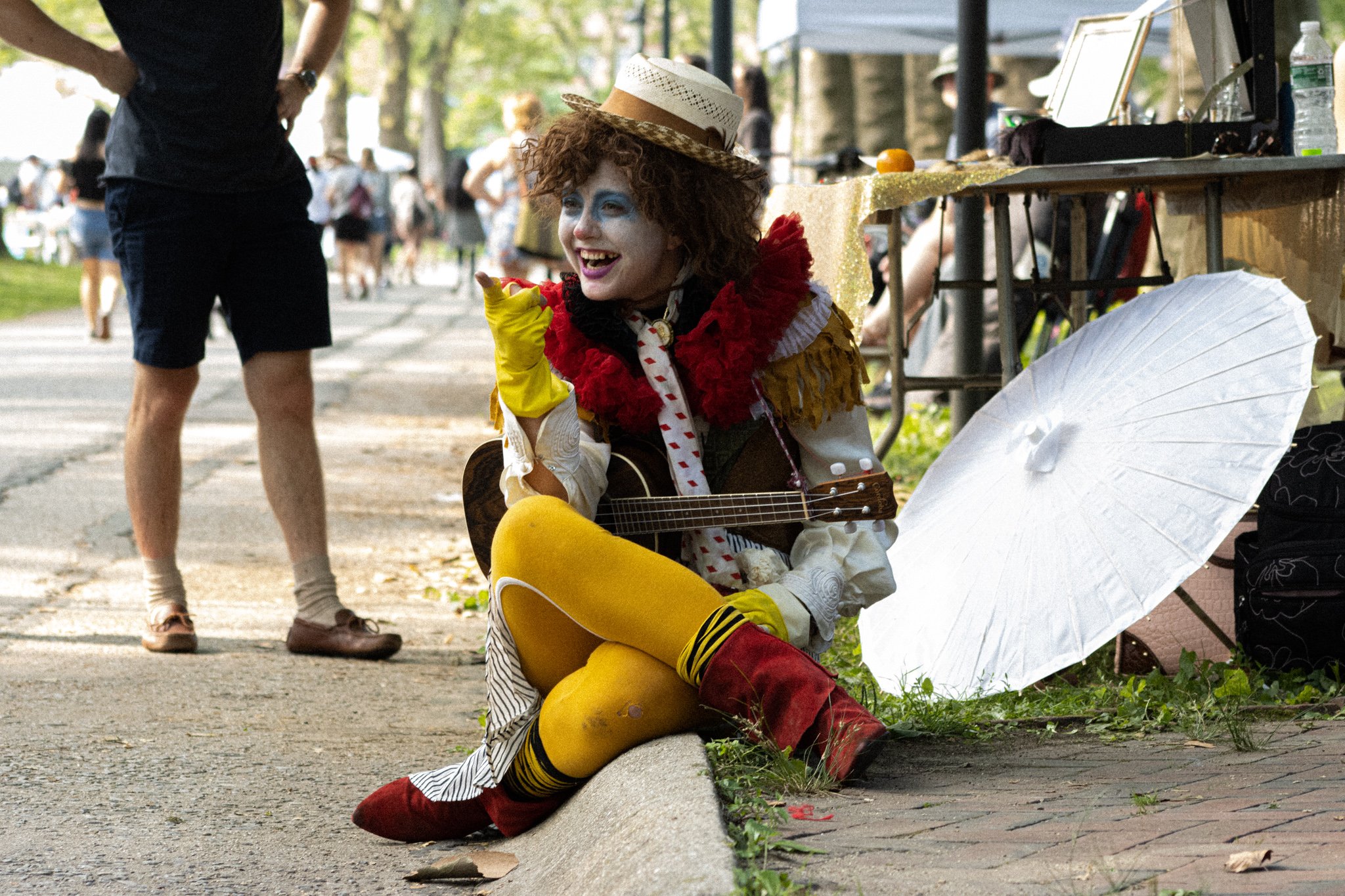
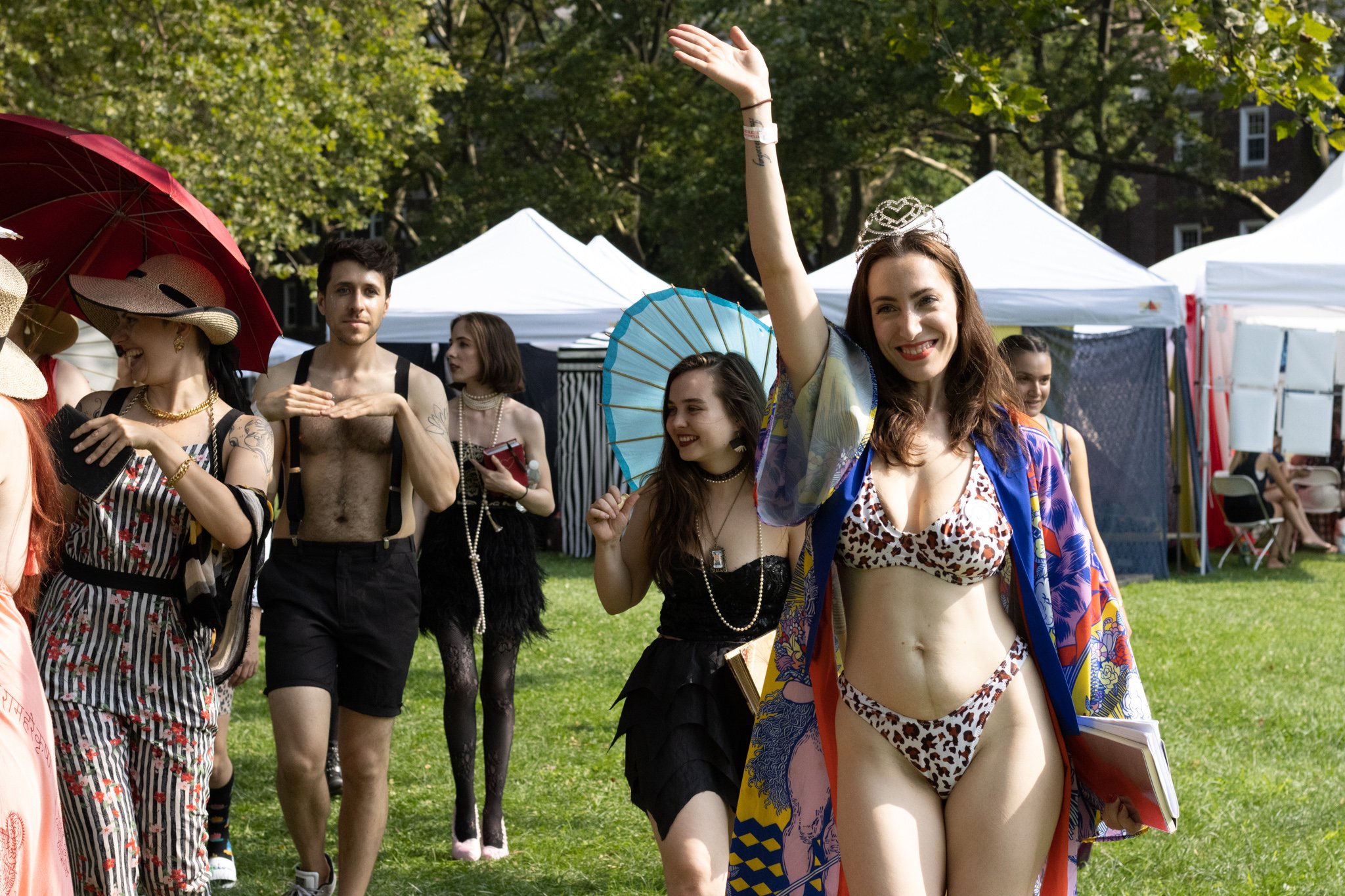
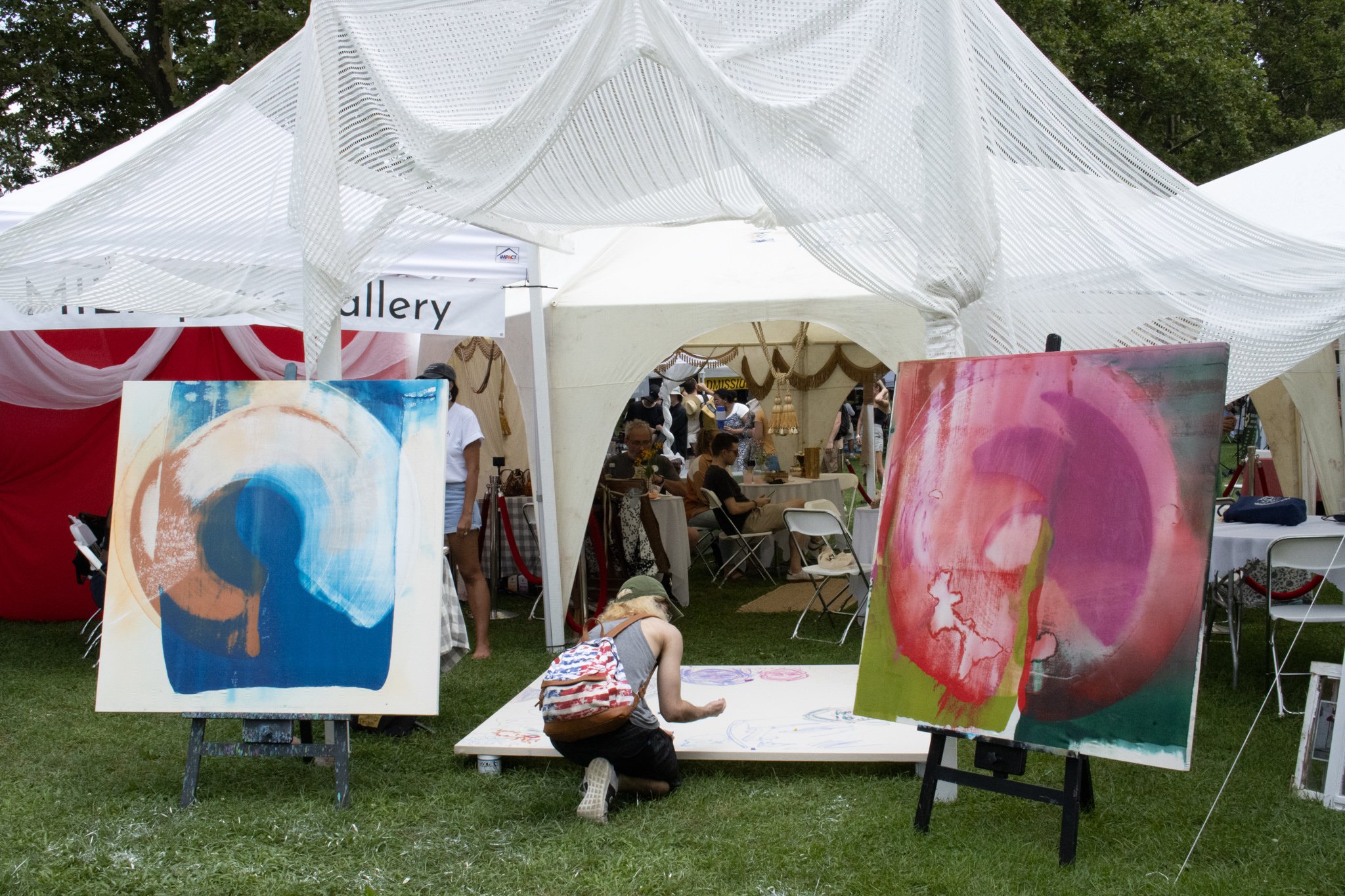
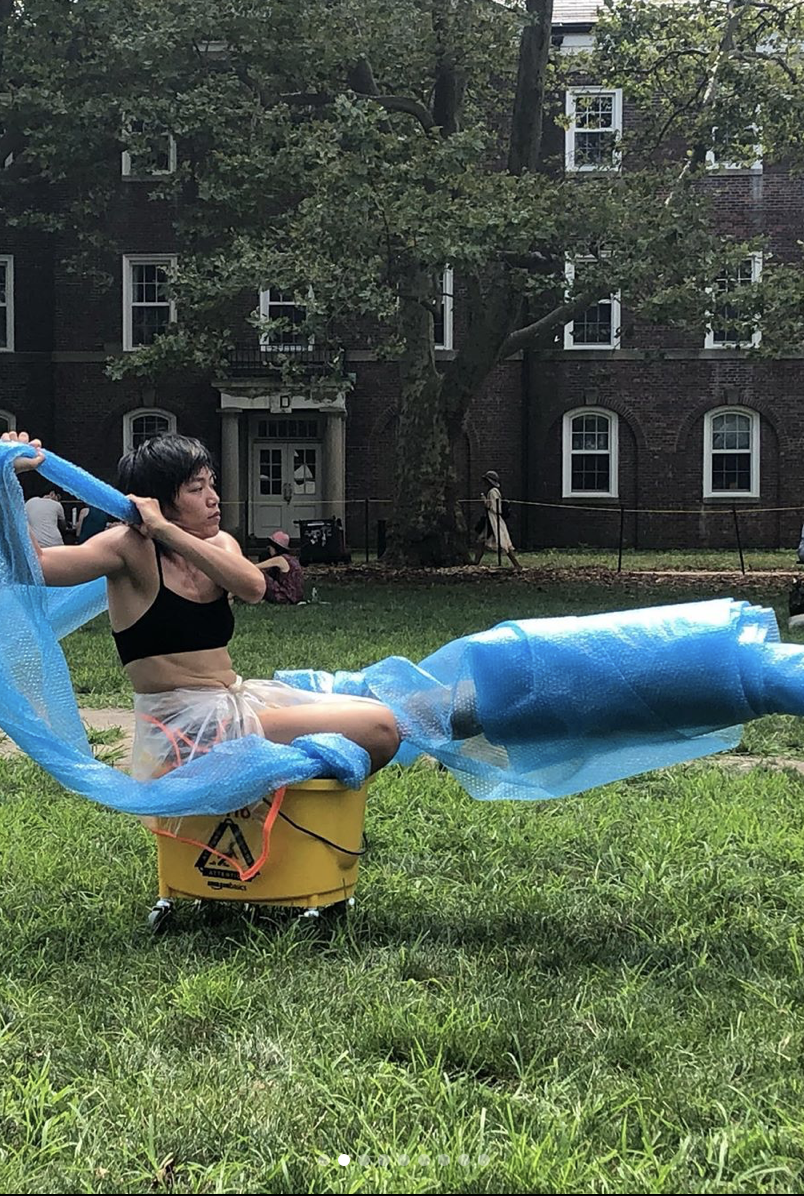
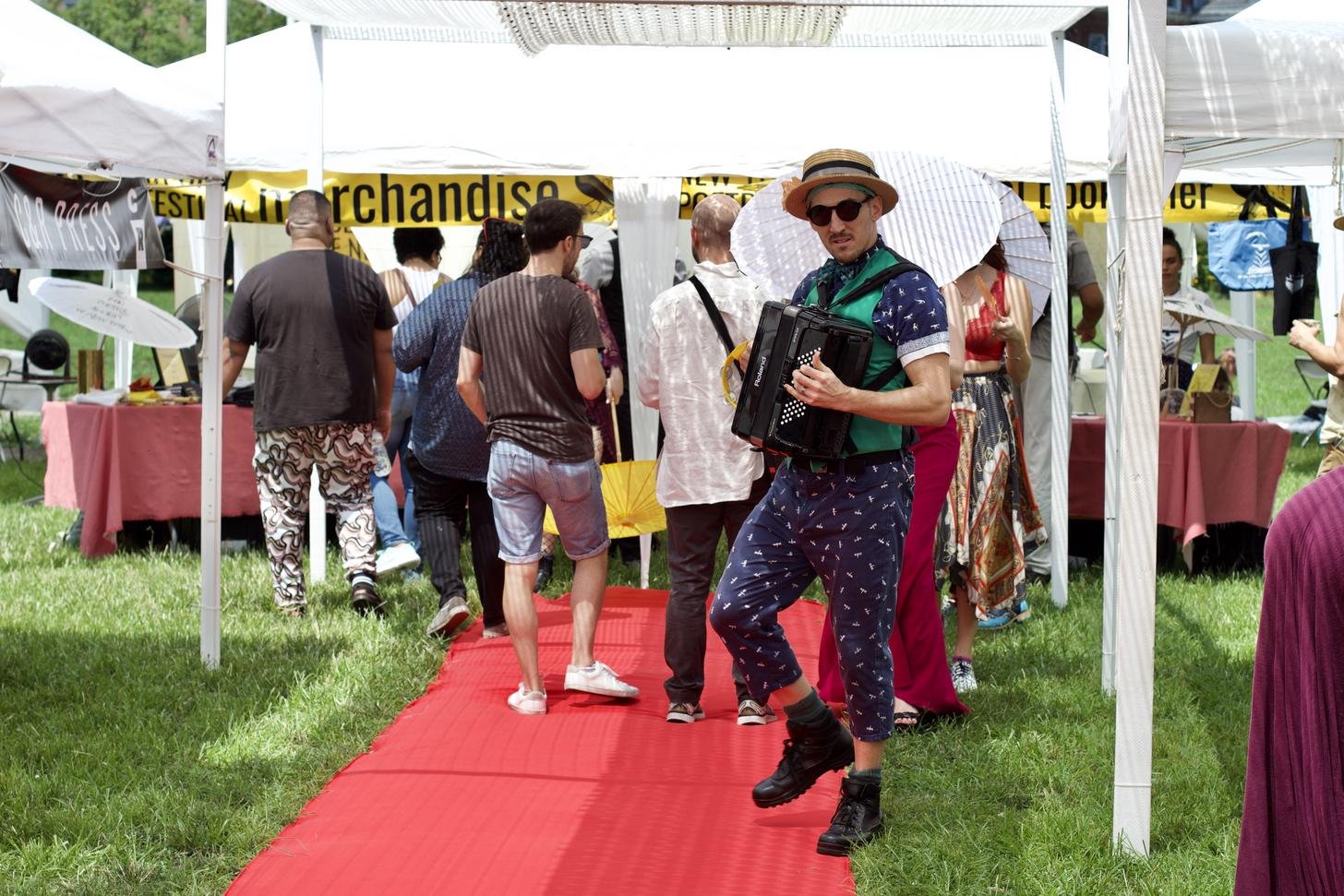
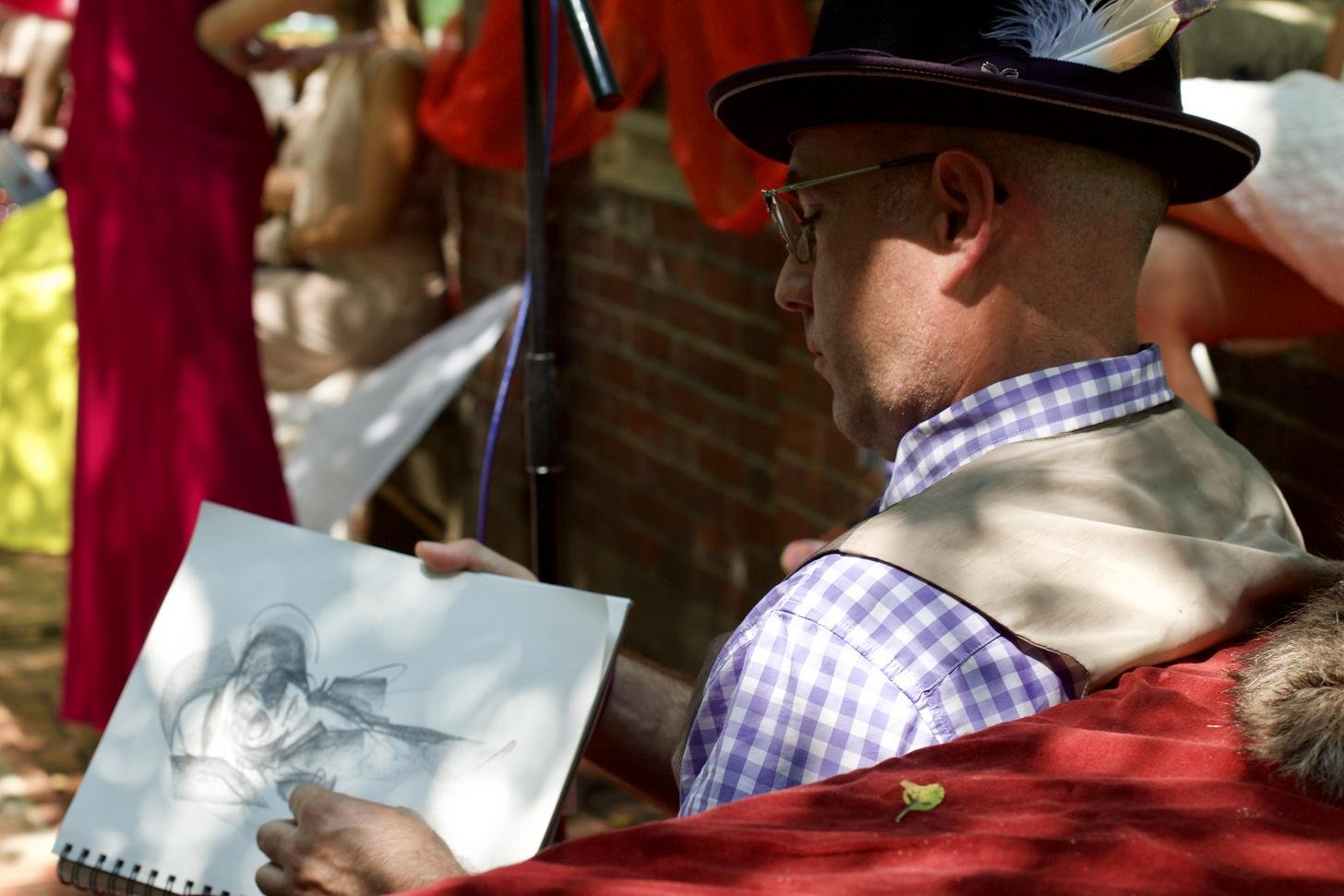
Every July, The Poetry Society of New York (PSNY) transforms Governors Island into a sprawling, sun-drenched poetry wonderland known as The New York City Poetry Festival (NYC PoFest). For fifteen years, poets, poetry lovers, and poets-to-be have flocked from far and wide to frolic on the island’s lush green lawns and shout poetry to the skyline; to snack on Smorgasburg-worthy treats with new and old poetry besties; to scribble odes to Victorian mansions beneath a canopy of century-old trees.
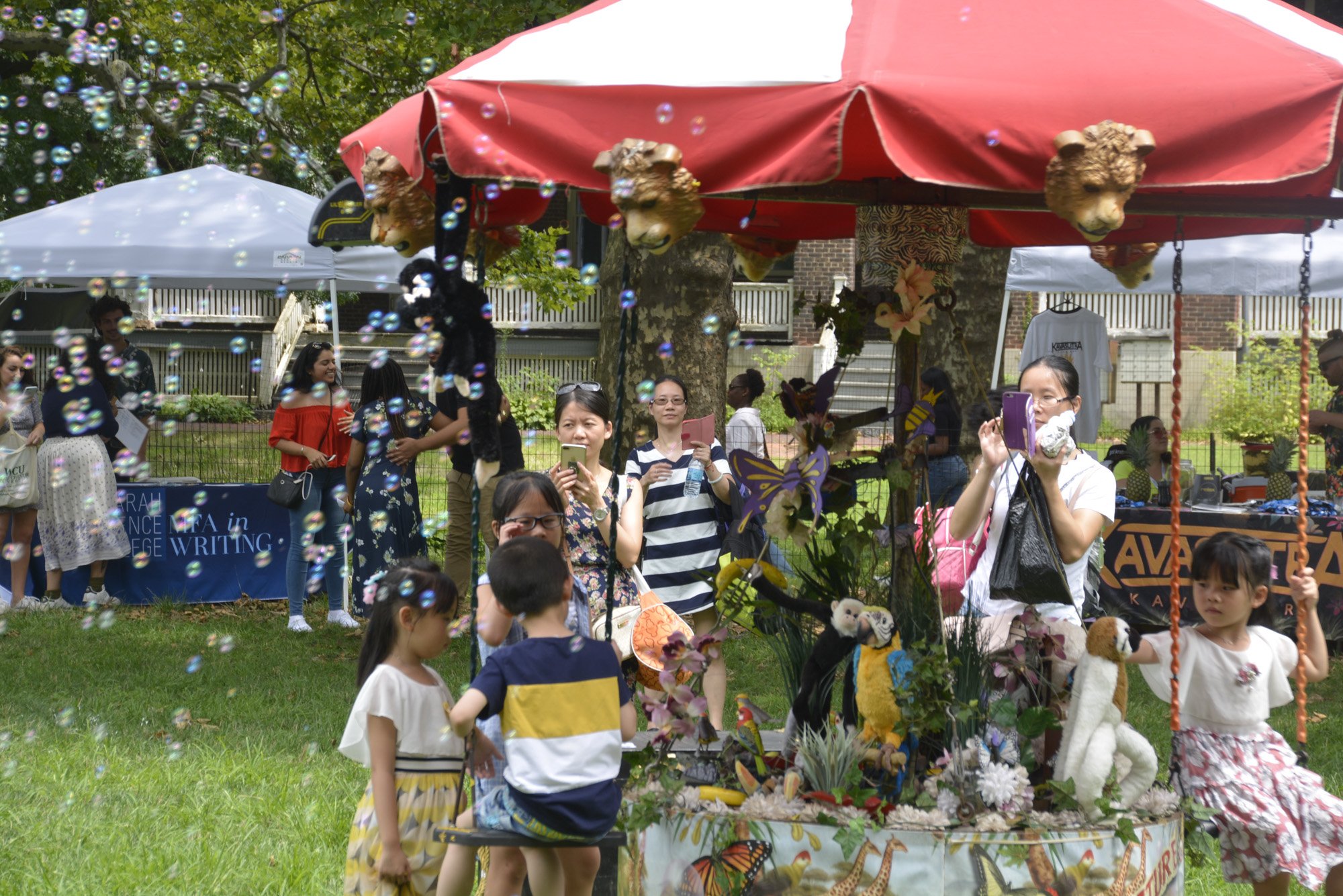
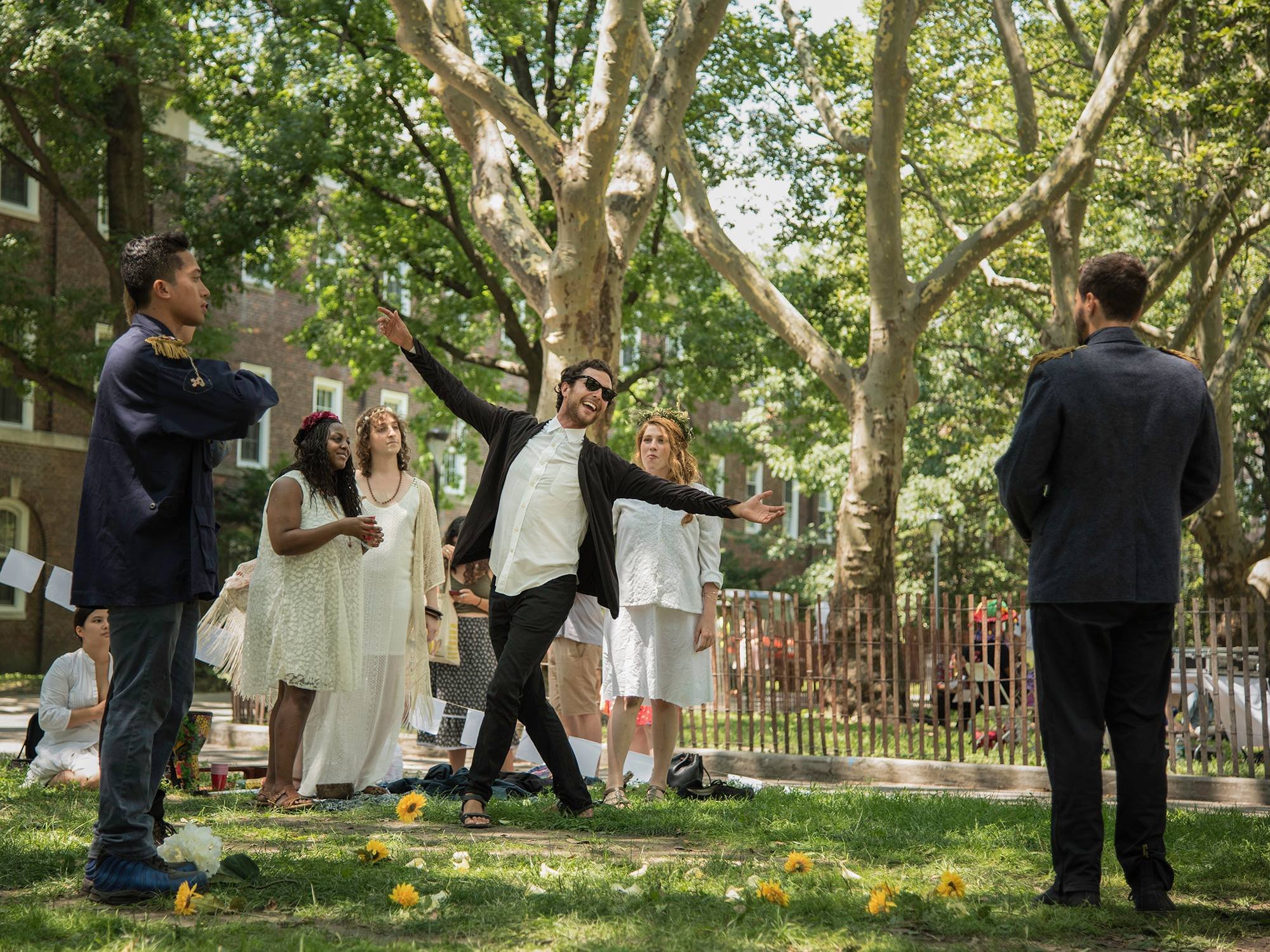
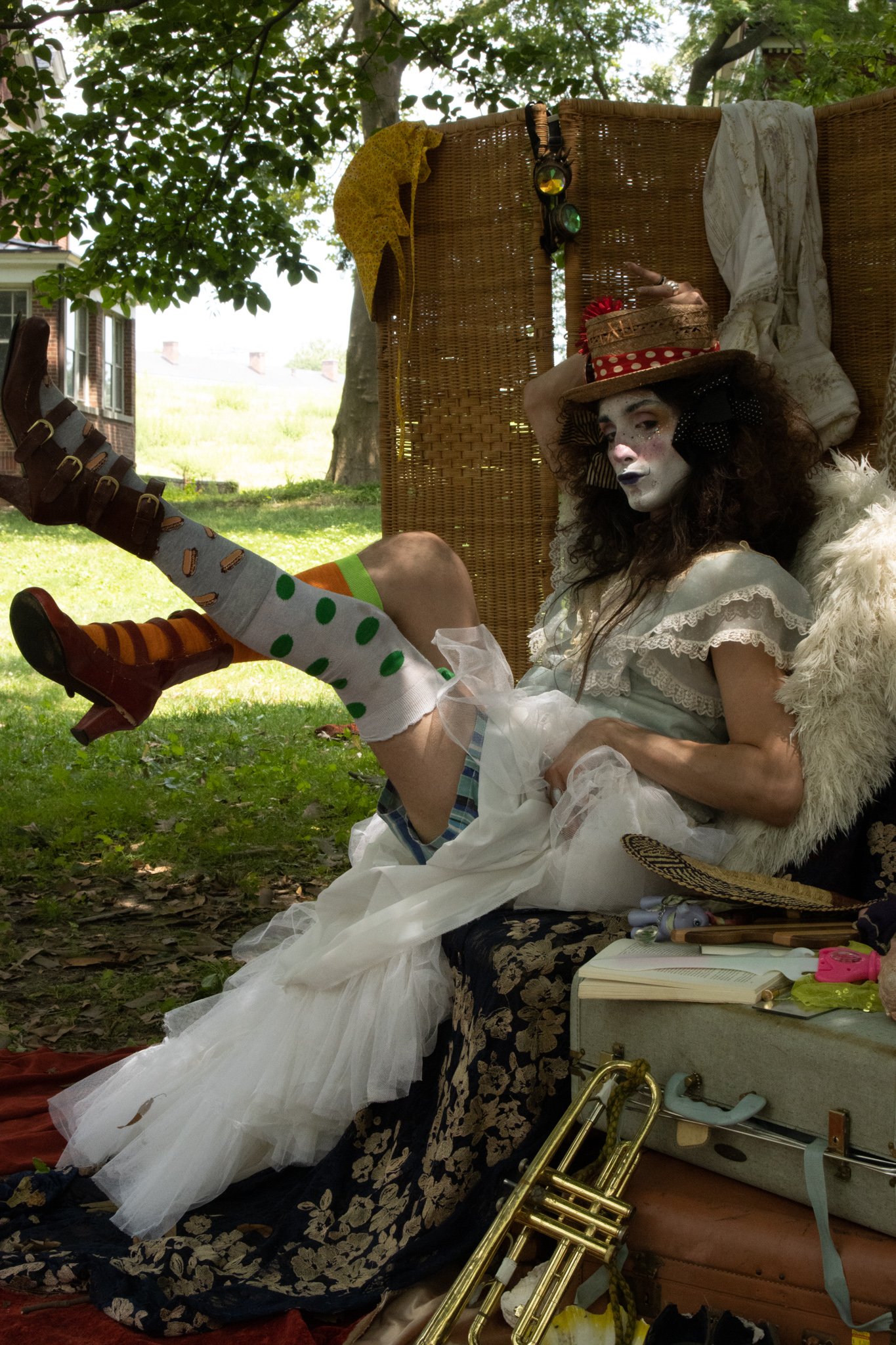
Join us and get to know The Poetry Society of New York!

The Poetry Society of New York has a simple mission: to redefine poetry’s place in our culture through a growing portfolio of innovative experiments and experiences.